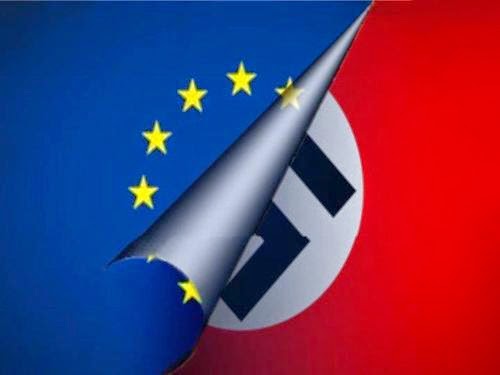
Over the past 18 months, British and European officials in nearly all policy areas have been working out how best to detach the UK from the EU. Perversely, the opposite has been the case in the area of defence. Since November 2016, the UK has joined all parts of the EU’s Defence Union – except one. The UK was one of 3 Member States to opt out of Permanent Structured Cooperation (PESCO), but involvement in all the other mechanisms will keep Britain attached. The complex web of programmes covers finance, procurement rules and command centres. Unbelievably, this has all happened without a vote in Parliament, and little or no press coverage explaining what is going on behind our backs.
The Government says it wants to participate in schemes – including the European Defence Fund, the European Defence Industrial Programme and the European Defence Agency – even after we have formally left the EU in March 2019. In Munich, Theresa May confirmed her vision included UK deployment of our “significant capabilities and resources with and indeed through EU mechanisms”. But who is choosing which mechanisms are of benefit to Britain and which are not? With a recent change of Defence Minister, this has become even more confusing. What is happening at the moment, behind closed doors is worrying.
Involvement in these programmes will generate significant risks for Britain. We will still be subject to continued payments into Brussels’ coffers. Membership of the emerging Single Market in Defence could require oversight by the European Court of Justice, contradicting Mrs May’s commitment to take us out of the ECJ’s jurisdiction. Thirdly, despite EU claims to the contrary, these programmes will inevitably cause duplication with NATO. Concerns about duplication were expressed in Munich by the NATO Secretary General, Jens Stoltenberg, as well as by American officials. It is also unclear how committed the Remaining 27 EU Member States will be on an ongoing basis to NATO. Only Romania, Greece, Estonia and Poland meet the NATO spending target of 2% of GDP. Meanwhile, Germany only manages 1.1%.
How has Britain ended up in this paradoxical position of integration in EU defence while leaving the EU? Partly it is a result of lobbying by self-serving UK defence companies who have been on the receiving end of a charm offensive by EU mandarins – with clear promises of future procurement deals.
Another explanation is the complicated and often dishonest manner of the EU’s drive to integrate. MPs and even ministers – let alone the public – do not seem to be fully aware of the consequences of the convoluted system.
Continue reading →